Crystal, Tabasco, and Texas Pete Are Not the Same Sauce
Crystal, Tabasco, and Texas Pete are not interchangeable heat delivery systems. Each comes from a distinct culinary tradition, is calibrated for different food, and delivers a fundamentally different flavor profile. Reaching for the wrong one is not a matter of personal preference. It is a mismatch of flavor philosophies, and it changes the dish.
Crystal, Tabasco, and Texas Pete Come From Three Different Food Cultures
The geography is the argument.
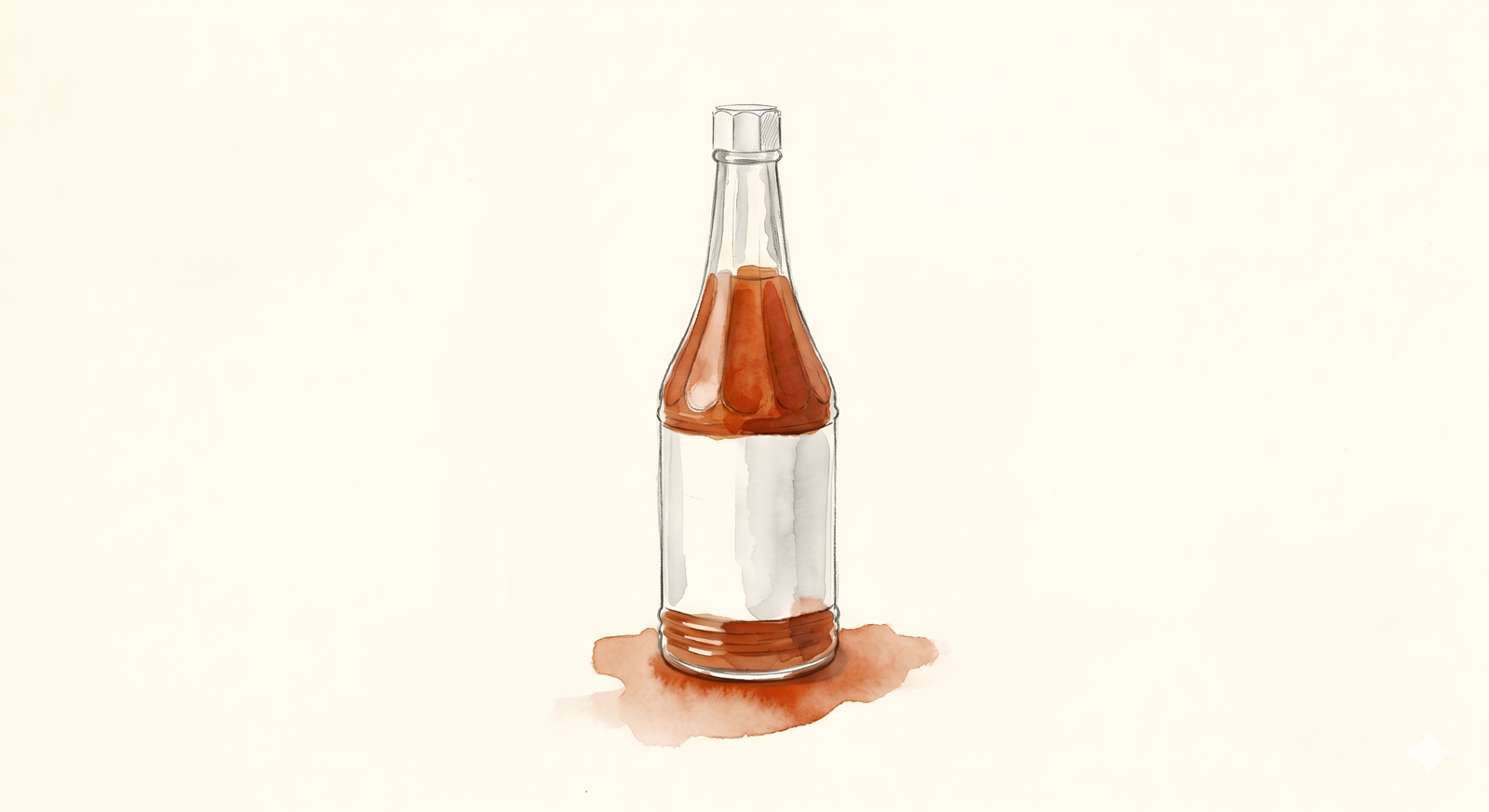
Crystal is a New Orleans sauce, made by Baumer Foods since 1923. It was developed for Louisiana cooking: red beans and rice, gumbo, fried catfish, po’boys. Food that already has built-in fat, richness, and depth from long cooking. Crystal’s job is to add brightness and acid without overwhelming what the cook already put in the pot.
Tabasco is Avery Island, Louisiana. McIlhenny Company has made it since 1868 using tabasco peppers aged in white oak barrels. The barrel time adds a fermented complexity that sets it apart from every other Louisiana hot sauce. It was not built for the same use cases as Crystal, despite coming from the same state.
Texas Pete is Winston-Salem, North Carolina, despite a name designed to sound Texan. TW Garner Food Company created it in 1929 for a broad American diner audience, not for any single regional cooking tradition. It occupies a different lane entirely.
Three sauces, three origins, three purposes.
What Crystal Hot Sauce Is Built For
Crystal’s defining characteristic is its vinegar-to-pepper ratio. It is thin, bright, and acidic enough to penetrate a dressed dish without sitting on top of it. The heat is moderate and disperses quickly. It finishes rather than dominates.
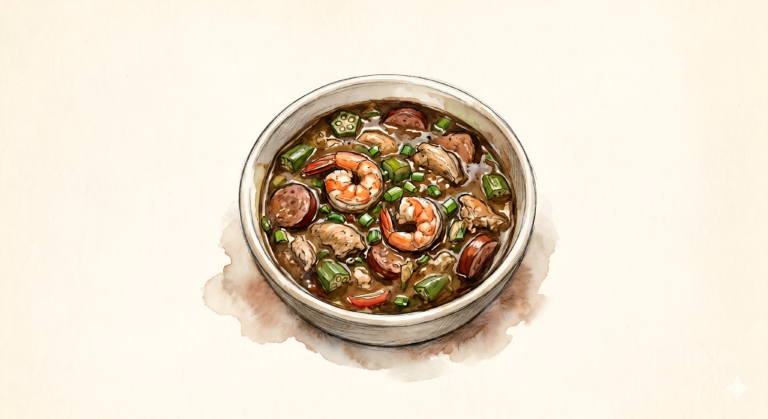
That calibration is exactly right for Louisiana food. Gumbo already has the richness of a dark roux, the smokiness of andouille, the depth of long-cooked seafood or chicken. It does not need a sauce that adds another layer of complexity. It needs something that lifts. Crystal does that. Tabasco’s barrel character would compete with what the roux already built. Texas Pete’s milder profile would disappear into it.
The same logic applies to red beans and rice, fried seafood, and a dressed po’boy. These are foods where the cooking already did the heavy work. The hot sauce is the finishing touch.
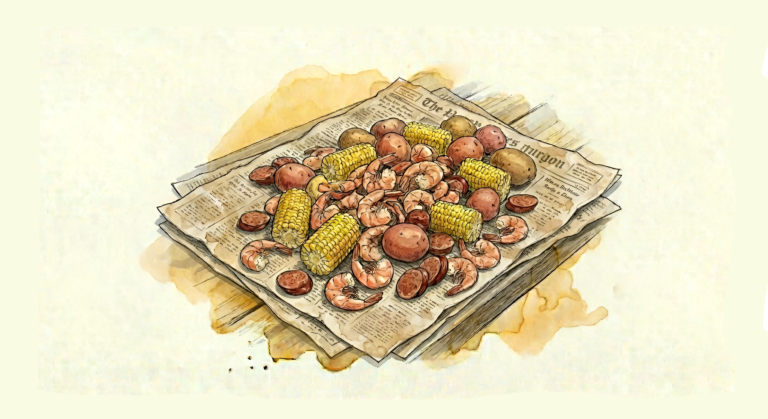
Crystal is also the correct sauce at a boiled crawfish table. The boil already has heat from cayenne, citrus from lemon, and depth from bay and garlic. Crystal at the table adds the vinegar brightness that ties it together without asserting its own character into food that does not need it.
Louisiana Hot Sauce, from Bruce Foods in New Iberia, operates on the same vinegar-forward logic and belongs on the same foods. If that is the bottle on your table, you are in the right lane.
What Tabasco Is Actually Doing
Tabasco is a different product with a different purpose, and the barrel aging explains most of the difference.
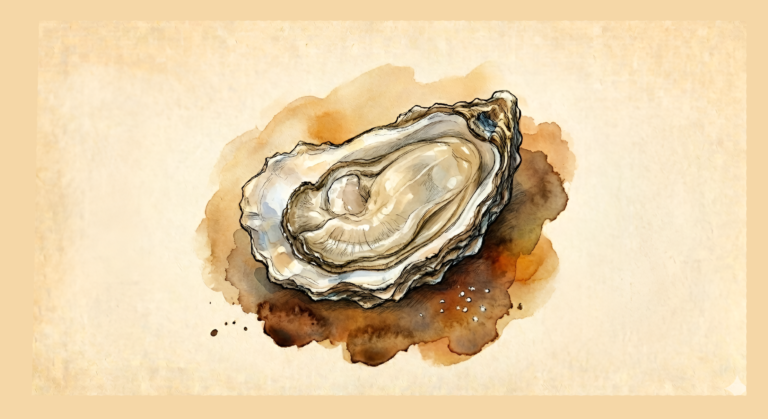
McIlhenny ages its mash in white oak barrels. That contact time adds a secondary layer of flavor that has no equivalent in Crystal or Texas Pete: a fermented, slightly smoky depth that functions almost as a condiment on its own. Tabasco at full concentration on an oyster on the half shell is not adding heat to a neutral surface. It is adding a distinct flavor presence.
That is exactly the right use. A raw Gulf oyster is cold, briny, and fat. Tabasco cuts through the fat, adds acid, and contributes its own character in a way that lifts the oyster rather than masking it. Crystal on a raw oyster is too thin and too mild. The oyster needs the barrel complexity.
Tabasco also works as a cooking ingredient in ways Crystal does not. A few dashes into a Bloody Mary, a remoulade, a cocktail sauce, or a marinade, and the barrel character integrates into the dish rather than sitting on the surface. On food that is already dressed and richly sauced, that same character becomes competitive rather than complementary.
The rule: use Tabasco where you want the sauce to assert itself and become part of the flavor. Use Crystal where you want the sauce to support something already built.
Where Texas Pete Comes From, and Why the Name Lies
The name is marketing. Texas Pete was developed in Winston-Salem, North Carolina. There is no Texas connection and no Texas culinary tradition behind it. The Texan identity was a branding decision, not a geographic one.
That origin matters because Texas Pete was built for American diner cooking broadly, not for any specific regional food tradition. Its heat is the most moderate of the three, its vinegar profile is less aggressive than Crystal’s, and it carries none of Tabasco’s barrel character. It is a versatile, middle-of-the-road sauce calibrated for a general American palate.
That versatility makes it genuinely useful in the Carolinas, where it shows up on chicken wings, on pulled pork, mixed into vinegar-based BBQ sauces, and on diner tables throughout the region. In that context it belongs. But it does not belong on a bowl of gumbo, where it lacks the acid to perform Crystal’s function, or on a raw oyster, where it lacks the complexity to perform Tabasco’s.
Which Hot Sauce Goes on Which Food
The matching logic is straightforward once you understand what each sauce is doing.
Crystal (and Louisiana Hot Sauce) belong on Louisiana food and on anything where vinegar brightness is the job: gumbo, red beans, fried seafood, po’boys, boiled crawfish, jambalaya, anything at a New Orleans table.
Tabasco belongs where you want the sauce to contribute flavor, not just finish: raw Gulf oysters, Bloody Marys, cooking applications, eggs at a Louisiana diner counter. Use it where the sauce is part of the dish rather than a finishing touch on top of it.
Texas Pete belongs on American diner food and on food from the broader Carolina and mid-South tradition: chicken wings, pulled pork, biscuits, fast-casual applications where moderate, unassertive heat is the goal.
The clearest test: if the food is already rich and deeply flavored from the cooking process, reach for Crystal. If the food needs the sauce to contribute its own character, reach for Tabasco. If a moderate, versatile heat is what the moment calls for, Texas Pete is the right choice.
Why the Scoville Number Is the Wrong Question
Most hot sauce comparisons start with Scoville units. That framing misses the point entirely.
Tabasco runs higher on the Scoville scale than Crystal. Texas Pete runs lower than both. None of those numbers explain the flavor philosophy or tell you which sauce belongs on which food. A sauce can be mild and wrong for a dish, or significantly hotter and exactly right for it. The heat level is one data point. The flavor profile, the consistency, the acidity, and the tradition the sauce was built for are the variables that determine fit.
The question is never “how hot do I want this?” It is “what does this food need, and which sauce is built to provide that?”
How to Read a Hot Sauce Before You Reach for It
Three questions answer most of what you need to know: Where does it come from? What is its base acid? What is it traditionally used on?
A Louisiana sauce aged in oak barrels is a different product from a Louisiana sauce with no aging, even if both are cayenne-based. A North Carolina sauce built for a diner audience is a different product from either Louisiana option, regardless of Scoville comparisons.
The geography is not trivia. It is shorthand for the culinary tradition the sauce was developed to serve. Crystal was built for food that does not need another layer of complexity. Tabasco was built for food that benefits from barrel character and an assertive flavor presence. Texas Pete was built for a broad American diner context with no single regional anchor.
The same logic scales to every regional hot sauce you encounter across the South. Look at where it was made, how long it has been made there, and what the local food tradition required. That history tells you what the sauce knows how to do. Then ask whether the food in front of you is in the right category.